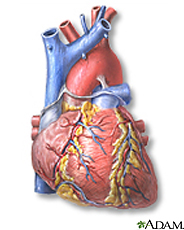
Understanding of heart disease, heart attack, symptoms of heart disease, heart disease traits, how to prevent and how to treat heart disease.
Heart disease is a condition that causes the heart can not carry out their duties properly. These include a weak heart muscle (congenital abnormalities) and or the existence of a gap between the right atrium and left the porch, because of incomplete formation of a separate layer between the platform when the patient is still in the womb. This causes the blood clean and dirty blood is mixed.
Understanding of heart disease and heart attacks are different. If A heart attack is a condition that causes heart was not functioning. This condition usually occurs suddenly, and often called heart failure. Causes of heart failure vary, but usually the main cause is impaired blood supply to heart muscles, because the blood vessels that normally drain blood to the heart muscles are blocked or hardened, either because of fat and cholesterol, or because the substance chemical substances such as excessive use of drugs that contain Phenol Propano Alanine (ppa) are mostly found in drugs such as Decolgen, and nicotine. (Source: wikipedia).
However, heart disease is one disease that dangerous and cause a lot of death to the sufferer. Not infrequently, the patient is too late to know that he was suffering from heart disease so its too late for diatasai. For that, knowing the symptoms of heart disease or trait you need to know in order to be done immediately follow the treatment as soon as possible.
Symptoms of heart disease (source: wikipedia)
Heart disease is a condition that causes the heart can not carry out their duties properly. These include a weak heart muscle (congenital abnormalities) and or the existence of a gap between the right atrium and left the porch, because of incomplete formation of a separate layer between the platform when the patient is still in the womb. This causes the blood clean and dirty blood is mixed.
Understanding of heart disease and heart attacks are different. If A heart attack is a condition that causes heart was not functioning. This condition usually occurs suddenly, and often called heart failure. Causes of heart failure vary, but usually the main cause is impaired blood supply to heart muscles, because the blood vessels that normally drain blood to the heart muscles are blocked or hardened, either because of fat and cholesterol, or because the substance chemical substances such as excessive use of drugs that contain Phenol Propano Alanine (ppa) are mostly found in drugs such as Decolgen, and nicotine. (Source: wikipedia).
However, heart disease is one disease that dangerous and cause a lot of death to the sufferer. Not infrequently, the patient is too late to know that he was suffering from heart disease so its too late for diatasai. For that, knowing the symptoms of heart disease or trait you need to know in order to be done immediately follow the treatment as soon as possible.
Symptoms of heart disease (source: wikipedia)
- Pain. If the muscles are not getting enough blood (a condition called ischemia), then the inadequate oxygen and the metabolism of excessive causing cramps or spasms. Angina is a feeling of tightness in the chest or squeezing chest feeling, which arises when the heart muscle not getting enough blood. The type and severity of pain or discomfort varies in each person. Some people experience a lack of blood flow could not feel any pain at all (a condition called silent ischemia).
- Shortness of breath is a symptom commonly found in heart failure. Shortness is a result of the entry of fluid into the cavity of the air in the lungs (pulmonary congestion or pulmonary edema).
- Fatigue or tiredness. If the heart is not pumping effectively, blood flow to the muscles during activity will be reduced, causing the patient to feel weak and tired. These symptoms are often mild. To overcome this, the patient usually is gradually reducing its activity or thought these symptoms as part of aging.
- Palpitations (heart palpitations)
- dizziness & fainting. Decreased blood flow due to rate or abnormal heart rhythm or because of poor pumping ability, can cause dizziness and fainting.
Other sources (vivanews.com) said the typical symptoms of heart disease as follows:
- Sudden pain in the chest behind the breastbone or as chest tightness.
- Chest pain can be repeated a few minutes (20 minutes or more).
- The pain can be a pressure in the chest, and neck as if choking, causing cold sweat
- Suddenly passed out, but could come back unconscious. This occurs because there is disturbance of heart rhythm
- Feel like stomach ulcers, but had not previously been suffering from stomach disorder
In some people, symptoms can be similar to normal colds. If you experience symptoms similar to those mentioned above, do not hesitate to contact your doctor immediately in order to get proper medical care.
Tips Preventing heart disease
- A healthy diet, Avoid foods that contain fat and high cholesterol. Also avoid foods with high sugar content such as soft drinks, for example.
- quit smoking, In the pack of cigarettes already explained that "Smoking can cause cancer, heart attacks, impotence, and disturbances of pregnancy and the fetus".
- Avoid stress, When someone is stressed, the body will release the hormone cortisol, which can cause the blood vessels become stiff.
- Reduce excess weight (obesity), Obesity has a major risk of heart left atrial enlargement. This cardiac enlargement will increase the heart rate abnormalities, stroke, and death.
- Exercising regularly, Exercise such as walking or jogging can strengthen the heart and blood circulation throughout the body.
- Consumption of antioxidants, Antioxidants Important to Prevent Heart Disease. This can be obtained from a variety of vegetables, fruits, and drinking tea.
- Descent, If you have close relatives who have had heart attacks, you should start now to be more careful in maintaining the diet and lifestyle. Heart disease is not hereditary diseases, but if there is a family (parents, grandparents, siblings, uncles, aunts, etc.) who are suffering or have suffered from heart disease, you have risk factors for heart disease. So, need to watch out!
- etc.
How to cope with heart disease
In this world there is no better than the first drug prevention. So, as much as possible reduce or eliminate unhealthy lifestyle. Healthy lifestyle is a necessity if you want to avoid this disease.
However, there are some substances that are believed to be able to reduce or increase the risk of disease and heart attacks, among others: (source: wikipedia)
- Some researchers say that the substance allicin found in garlic may help maintain heart health. Research shows that by virtue substance allicin, the tension of blood vessels is reduced 72%. But some other researchers have also stated that there was no association between garlic to heart health. In a study conducted on 90 smokers body fat, European researchers found that the addition of garlic powder for 3 months showed no change in their cholesterol levels or some other signs of heart disease risk.
- Studies show that reducing smoking does not reduce risk of heart disease. To truly reduce the risk of heart disease, one should really quit smoking.
- The discovery, published in the Journal of the American College of Cardiology reveals consumption of Vitamin C supplements may reduce the risk of heart disease.
- Research shows that reducing salt intake can reduce the risk of heart disease. Consumption of salt can increase blood pressure. In low-salt diet experiments show the risk of heart disease by 25% and the risk of heart attack by 20%
- Consumption of foods that can maintain heart health such as Salmon, Tomatoes, Olive Oil, Wheat, Almond, and Apple

